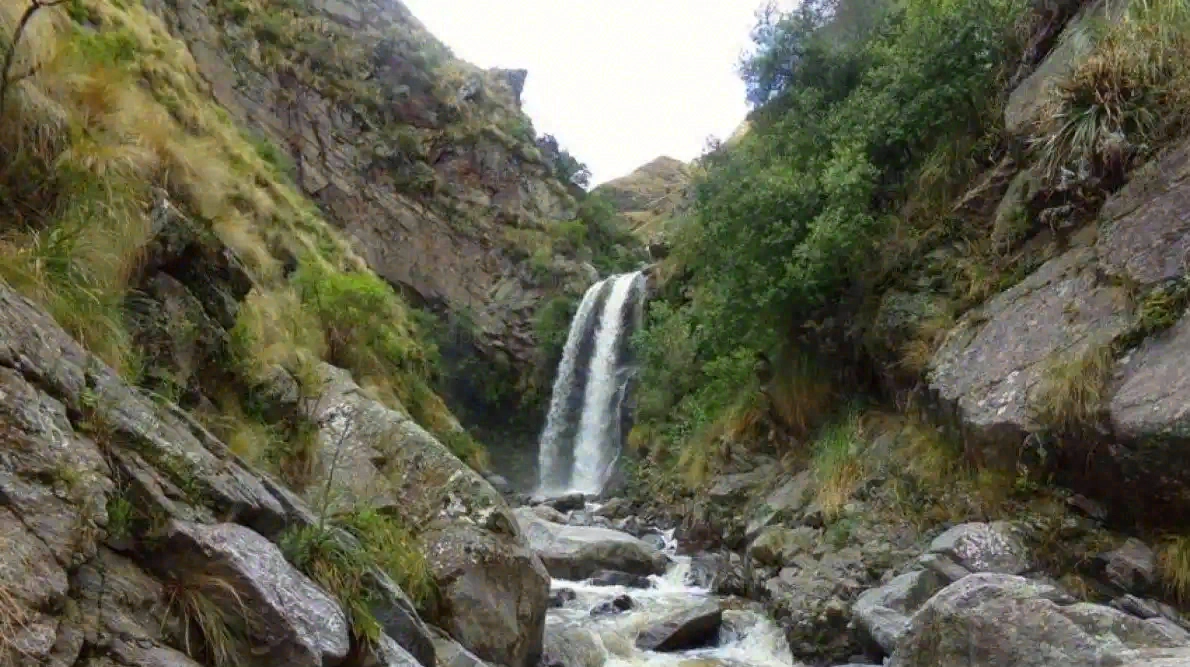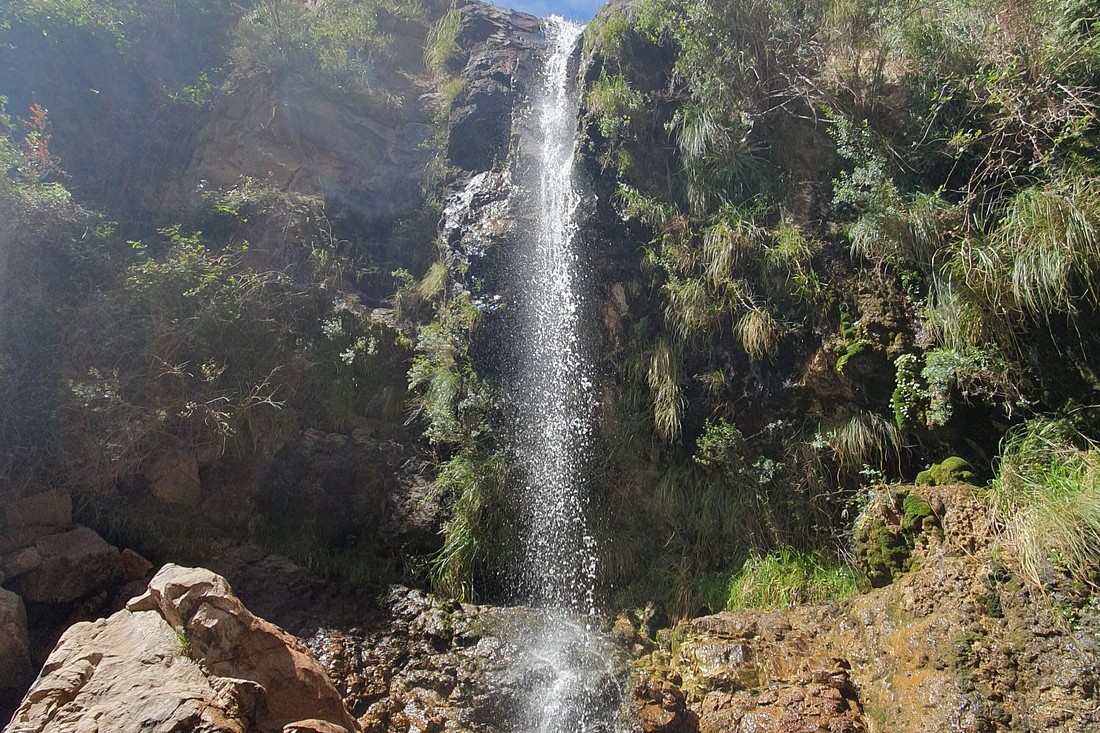
Imagine standing before a 22-meter waterfall, surrounded by the vastness of the Sierras de los Comechingones, where the pure air and absolute silence are only interrupted by the sound of nature in its purest state. For trekking and adventure lovers visiting Villa de Merlo, reaching this hidden corner is, without a doubt, one of the most rewarding experiences our microclimate has to offer.
At Solar de los Pájaros, we host guests all year round, and we know many arrive with the desire to conquer this challenge but with doubts about the terrain's difficulty or how to access it. Based on our local experience and what our visitors tell us after returning fascinated, we have prepared this Salto del Tigre excursion and everything you need to know so that your journey is safe and memorable.
In this guide, we show you the best route options, the equipment needed for the hike, and key tips to enjoy the landscape in 2026. Additionally, at the end, we reveal the secret to getting the rest you deserve and recovering your energy upon returning from the mountain.
Step 1: Choosing the Ideal Time for the Adventure
To visit Salto del Tigre, timing is everything. Located over 2,000 meters above sea level on the border between San Luis and Córdoba, weather conditions can be radically different from those in downtown Villa de Merlo.
- High Season (Summer): This is the best time if your intention is to get into the water. The "olla" (natural pool) that forms at the base of the waterfall is deep and refreshing, though you should know that the water in the Sierras Grandes is cold even in January. Fun fact: In summer, thunderstorms in the highlands often form quickly; always check the forecast before heading up to the Filo (the ridge).
- Shoulder Season (Autumn and Spring): This is the best time for hiking. The golden colors of the San Luis autumn are highly photogenic, and the temperature is ideal for walking without the burden of the harsh sun.
- Winter: This is an incredible visual experience but an extreme one (July is high season). It is not uncommon to find snow or frost on the path. If you go during this time, thermal clothing is not optional—it is mandatory.
Local Tip: If you go in summer, try to leave early (around 8:30 AM) to avoid the "panza de burro" (donkey belly) clouds that usually cover the summit after midday, stripping away all visibility.
Step 2: The Ascent via Filo Serrano and the Gravel Challenge
The excursion to Salto del Tigre begins with the ascent via Provincial Route 5, heading up through the mountains. This road is fully paved up to the Mirador del Sol and then to the Filo Serrano (the mountain ridge). From Merlo, it is about a 20-kilometer zigzagging climb with spectacular views of the Conlara Valley.
However, once you reach the top and pass the craft stalls, the pavement ends. This is where the real challenge begins: the gravel road.
- Road Condition: There are approximately 10 to 12 kilometers of consolidated gravel, but it is very "washboarded" with loose stones. This is not a road for just any vehicle.
- Caution: While some low-clearance cars attempt to pass during dry spells, the risk of breaking the oil pan or damaging tires is extremely high. The vibration of the terrain can loosen vehicle parts if you don't drive at a snail's pace.
_wm_wm_vis.jpg)
Step 3: How to Get There? Own 4x4 vs. Booked Tour
This is the question we get asked most at Solar de los Pájaros. The answer depends entirely on your vehicle and the local legal safety requirements.
| Option | Advantages | Disadvantages |
|---|---|---|
| Own Vehicle (4x4/SUV) | You manage your own time to the base. | Vehicle wear and tear. Requires hiring a guide for the trek. |
| Guided Excursion | You go with a driver and expert guide; zero stress, guaranteed safety. | Fixed schedules, you share the group. |
| ATVs / UTVs | Pure adventure, guaranteed access via authorized routes. | Higher price, exposure to the weather. |
Important: According to current regulations, because it is a high-mountain area, access to Salto del Tigre mandatorily requires the company of a licensed guide. Do not attempt the descent on your own through unknown trails.
Step 4: Base and Services at the Mountain Outpost
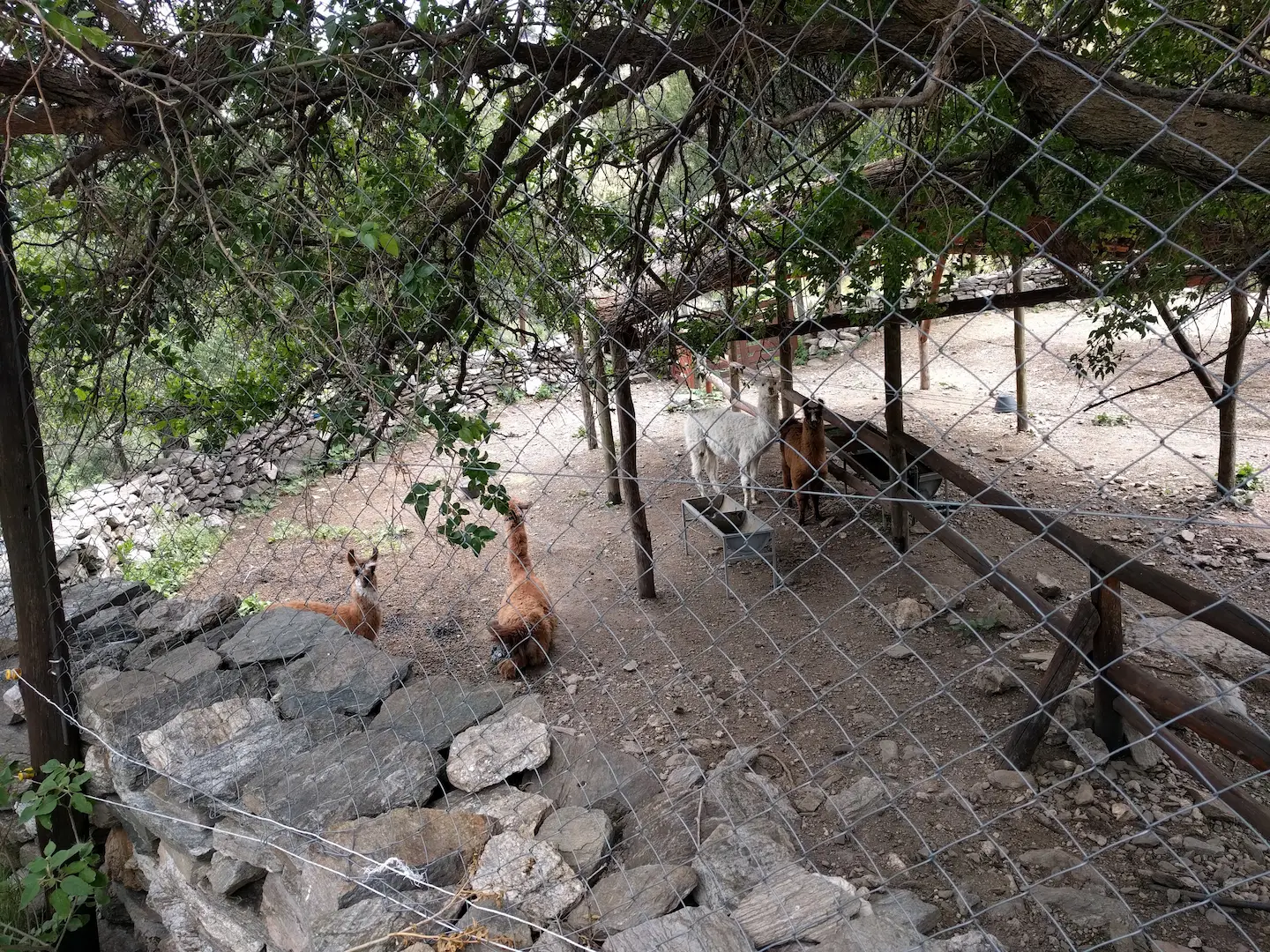
Before undertaking the final hike toward the waterfall, it is necessary to stop at the mountain outpost (puesto serrano) that serves as the base. This is a refuge located in the heart of Pampa de Achala, staffed by locals who know the mountains like the back of their hand.
- Services: You can park your vehicle safely here (they usually charge an access/parking fee; verify updated prices upon arrival).
- Gastronomy: You cannot leave without trying their tortas fritas (fried dough) or homemade bread. After the hike, many groups order mountain lamb or traditional empanadas.
- Restrooms and Shelter: This is the last point with basic services before descending into the gorge. Take the opportunity to fill up on water (though the spring water here is pure) and adjust your sneakers.
Step 5: The Descent to the Waterfall (Trekking)
The hike toward the falls starts from the outpost area. It is a trail of approximately 2 kilometers (one way).
- Difficulty: Moderate/High. The terrain is rocky and the descent is constant. The descent isn't the main issue, but rather remembering that to return, you will have to climb that same slope at over 2,000 meters above sea level.
- Time: It takes about 40 to 50 minutes walking at a relaxed pace and enjoying the scenery.
- Equipment: Trekking shoes with good grip (mandatory), sunscreen (the sun burns twice as fast at high altitude), and a windbreaker jacket, even in summer.
As you descend, the sound of water hitting the rocks begins to amplify. The vegetation changes—more ferns and mosses appear, indicating the proximity of the constant moisture from the falls.
Step 6: The Majesty of Salto del Tigre
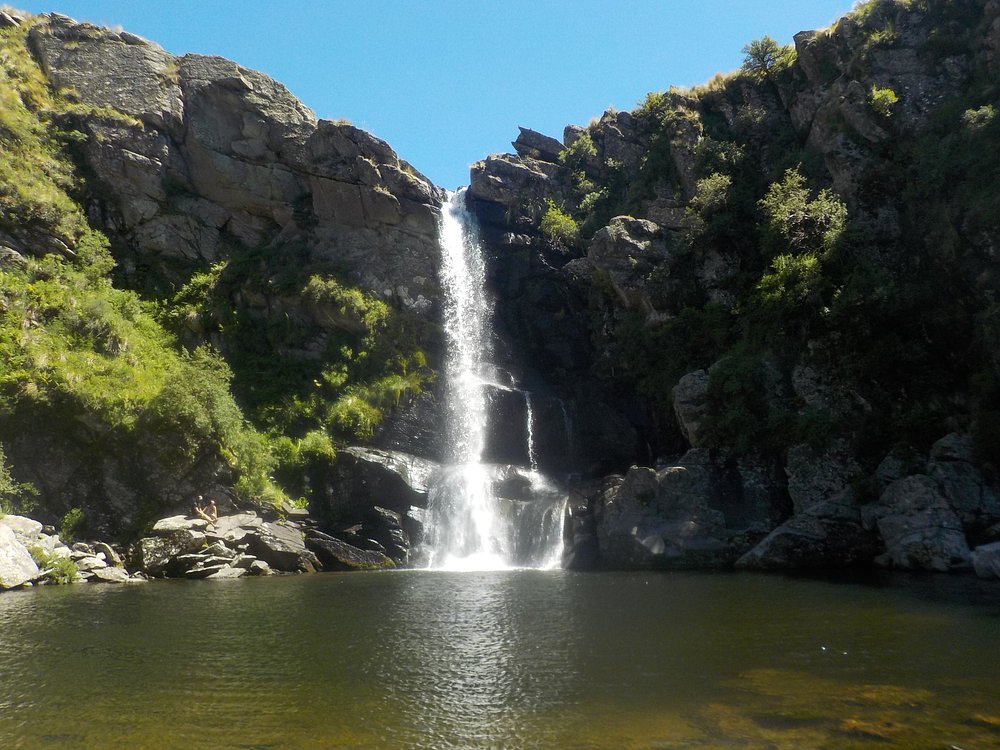
When you finally reach the bottom of the gorge, the view leaves you breathless. Salto del Tigre is a crystal-clear waterfall approximately 22 meters high that drops into a natural basin about 30 meters in diameter.
- The Pool: In some parts, the depth is considerable, allowing the bravest visitors to take a dip. The color of the water oscillates between emerald green and deep blue, depending on the sunlight.
- Photography: The best angle is obtained from the side rocks, but be careful as they are often slippery from the waterfall's spray.
- The Name: Local legend says it is named this way because in the past, yaguaretés (jaguars, which the locals called "tigres") were seen drinking water at the top of the waterfall.
Useful Information for Your Visit (Estimated 2026 Values):
- Recommended Hours: From 10:00 AM to 5:00 PM. It is not recommended to be on the trail after sunset.
- Access: Access is through private property. The suggested price for trail maintenance and parking is around $5,000 - $6,000 ARS (verify at the time of your visit).
- Waste: There is no trash collection. Everything you bring in must leave with you.
Step 7: Safety Recommendations
As connoisseurs of these trails, we cannot overemphasize the importance of mountain safety.
- Communication: There is no cell signal in the Salto area. Always notify your accommodation or the Central Tourism Office (Cnel. Mercau 605) that you are heading up to the Filo.
- Oxygen: You are at a high altitude. If you feel dizzy or have a headache, walk slower and stay hydrated.
- Wildlife: You might see condors soaring very close to the waterfall. Seeing an Andean condor in its natural habitat is an unforgettable experience.
- Changing Weather: If you see clouds starting to "drop" and cover the peaks, it's time to head back. Fog on the gravel road can be very thick.
The Rest You Deserve After Conquering Salto del Tigre
You now have everything you need to venture to Salto del Tigre. Now you know that this gem of the Sierra de los Comechingones awaits you with its crystal-clear waters, but also that the physical exertion of the altitude will be felt at the end of the day.
At Solar de los Pájaros, we offer the ideal refuge so that your adventure ends with maximum comfort:
- Strategic Location in Villa de Merlo: In a privileged area for rest, with the peace necessary to disconnect from the world.
- 6,000 m² of Private Park: Continue enjoying the fresh air and the nature of the mountains without leaving the property.
- Pool and Jacuzzi: The perfect balm to recover energy and relax your muscles after hiking over the rocks.
- Absolute Comfort: A fully equipped country house with a full kitchen, spacious rooms, and climate control so you only have to worry about enjoying yourself.
We want your stay in Merlo to be unforgettable from start to finish. Check availability and rates now to secure your spot in our chalet, and remember that by booking directly, you avoid extra commissions.
Want to check availability?
Contact us via WhatsApp and coordinate your stay at Solar de los Pájaros to combine the Salto del Tigre adventure with rest facing the mountains, with pool and jacuzzi.
Frequently Asked Questions
Can you reach Salto del Tigre in a standard car?
It is not recommended. The 12-kilometer gravel road from the Filo Serrano is very uneven. Ideally, use a 4x4 or hire a guided excursion from downtown Merlo to travel safely.
How difficult is the hike to the waterfall?
The hike is 2 kilometers (one way) with moderate/high difficulty due to the slope and altitude. The return is a constant uphill climb at over 2,000 meters in altitude.
Is it mandatory to go with a guide?
Yes. Being a high-mountain area with technical trails and changing weather, regulations require the presence of a licensed guide to guarantee the safety of visitors.
What is the best time of year to visit Salto del Tigre?
Summer is ideal for cooling off, although the water is always cold. Autumn offers spectacular golden landscapes and temperatures more suitable for trekking.
Do you have to pay an entrance fee to see Salto del Tigre?
Access is through private property and has a cost for trail maintenance and use of the parking at the base outpost. It is recommended to carry cash as there is no signal for electronic payment methods.
Related Articles